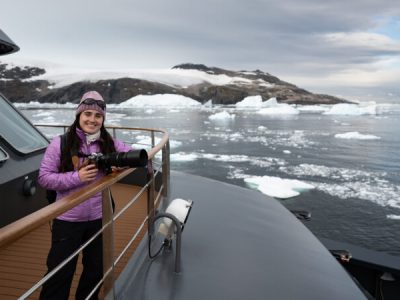
Adventure

The Call of the Unknown: Rediscovering the True Spirit of Adventure

Adventure: More Than Just a Thrill

In a world increasingly curated by screens and algorithms, adventure remains one of the few pursuits that resists confinement. The word conjures images of rugged mountains, roaring rivers, and windswept deserts. Yet, adventure is not merely the act of venturing into untamed landscapes; it is, at its essence, an embrace of the unknown. It is an attitude—an insatiable curiosity that pushes us to test the edges of our comfort zones and discover the raw truths that lie beyond the familiar.

A Historical Love Affair

Since time immemorial, humankind has been captivated by the idea of adventure. Ancient seafarers braved uncharted oceans guided by the stars. Explorers traversed vast continents, driven by dreams of lost cities and untold riches. Even philosophers like Aristotle spoke of the virtues of wonder and curiosity.

Throughout history, adventure has been intertwined with progress. The Age of Exploration expanded horizons both geographical and intellectual. The ascent of Everest or the trek to the South Pole were not merely acts of conquest over nature but symbols of the human spirit’s refusal to be bound by limits.

The Modern Adventurer

Today’s adventurer looks different. While some still climb towering peaks or dive into the abyssal depths, adventure has expanded its frontiers. It might manifest as solo travel across unfamiliar countries, culinary escapades sampling exotic street food, or the simple yet profound act of stepping away from routine.

Modern adventures take countless forms:

  • Physical Expeditions: Hiking, mountaineering, deep-sea diving, and long-distance cycling.

  • Cultural Immersions: Living with indigenous tribes, volunteering abroad, or learning a foreign craft.

  • Personal Challenges: Facing fears—public speaking, performing, or taking risks in creative work.

What unites these diverse pursuits is the willingness to confront uncertainty. Adventure is not the absence of fear; it is the decision to move forward despite it.

The Inner Landscape

Too often, we confine adventure to physical deeds alone. But some of the greatest adventures occur within the mind. The courage to question inherited beliefs, to change course in midlife, or to pursue an unconventional dream—these are adventures of equal magnitude.

A writer beginning a novel without knowing how it will end, an entrepreneur launching a venture in an untested market, or an individual starting anew in a foreign city—each is an adventurer mapping uncharted internal territory.

The Rewards of the Unknown

Adventure rewards us in ways that comfort cannot. It humbles us when we stand dwarfed by nature’s vastness or face the limits of our own strength. It teaches resilience as we navigate setbacks and unforeseen detours. Most importantly, adventure sharpens our senses and renews our sense of wonder—a quality easily dulled by routine.

Those who embrace adventure often discover:

  • Perspective: Witnessing other cultures and landscapes widens our view of what is possible and how life can be lived.

  • Adaptability: Facing unfamiliar situations fosters creativity and problem-solving.

  • Connection: Strangers become friends when bonds are forged in shared challenges and moments of awe.

Adventure in the Everyday

Not everyone can drop everything and trek through the Andes or sail around the world. Yet, the spirit of adventure is not confined to remote destinations. It can be cultivated in daily life by choosing to break patterns, ask new questions, and say yes when comfort says no.

Simple ways to infuse everyday life with adventure include:

  • Taking a new route home or exploring an unfamiliar neighborhood.

  • Sampling a cuisine you’ve never tried before.

  • Starting a conversation with someone outside your usual circle.

  • Signing up for a class that pushes your creative or physical limits.

In this sense, adventure becomes an ongoing practice—a muscle that grows stronger each time we choose to stretch beyond the known.

The Risk and Responsibility

It would be naïve to romanticize adventure without acknowledging its inherent risks. From physical danger to cultural missteps, true adventure demands respect—for nature, for people, and for oneself.

Responsible adventurers tread lightly on fragile ecosystems, honor local customs, and prepare diligently for the hazards they may encounter. The best adventures leave no scars but rather enrich both the traveler and the places visited.

The Spirit That Endures

If there is one truth that endures, it is that adventure, like life itself, is not about guarantees. It is about surrendering to uncertainty, trusting one’s resourcefulness, and discovering unexpected beauty along the way.

Some find adventure in wild places, others in bold ideas. Some seek it in solitude, others in vibrant company. But at its heart, adventure is a quiet rebellion against stagnation—a reminder that we are all, in some way, pioneers navigating the vast unknown.

Final Reflections

In our overly scheduled, hyper-connected age, the call to adventure is more vital than ever. It reminds us that there is life beyond the screen, wisdom beyond the classroom, and courage within each of us waiting to be summoned.

So, whether you set out to scale mountains, learn a new language, or simply dare to ask what if, know this: Adventure does not always begin with a plane ticket or a packed rucksack. It begins the moment you choose curiosity over certainty, the unfamiliar over the safe, and the road that bends out of sight over the one that lies straight ahead.

Answer that call, and you may find, as countless explorers did before you, that the greatest discovery is not the new landscape but the new eyes with which you see the world—and yourself.

What is your reaction?

Excited
0
Happy
0
In Love
0
Not Sure
0
Silly
0

You may also like

Comments are closed.

More in:Adventure