 By Tadeo Andi
Modern society operates at a relentless digital pace. Smartphones, laptops, smartwatches, and social media feeds keep individuals tethered to a continuous stream of notifications, work emails, news alerts, and algorithmic distractions. While digital connectivity offers undeniable conveniences, chronic immersion in virtual environments takes a measurable toll on mental health, attention spans, sleep quality, and interpersonal relationships.
Stepping away from screens can be surprisingly difficult in urban or office settings, where digital tools are intimately tied to daily routines. Camping provides a natural, immersive solution to this modern dilemma. By placing individuals in natural settings where cellular service is naturally limited and daily tasks require hands-on physical engagement, camping creates an ideal environment for a meaningful digital detox.
Here is an in-depth exploration of how camping encourages a break from constant connectivity and why spending time outdoors restores physical and psychological well-being.
The Psychological Impact of Chronic Digital Overload
To appreciate the restorative value of camping, one must first understand the psychological burden imposed by continuous digital connectivity.
Cognitive Fatigue and Directed Attention
Navigating digital interfaces requires what psychologists call directed attention. Filtering out ads, responding to instant messages, managing multiple browser tabs, and continuously evaluating incoming information drains cognitive energy. Over time, heavy reliance on directed attention leads to mental fatigue, heightened irritability, reduced problem-solving capacity, and brain fog.
The Phantom Urge to Check Devices
Constant connectivity conditions the human brain through variable reward schedules, similar to slot machines. Every vibration, ping, or chime triggers a minor release of dopamine, training individuals to compulsively check their screens. Breaking this compulsive feedback loop requires removing the cues that trigger it, a process naturally facilitated by heading into wilderness environments.
How Natural Environments Restore Mental Focus
Camping offers more than just a temporary absence of screens; it actively replaces digital stimulation with natural stimuli that promote cognitive restoration.
Soft Fascination and Attention Restoration
According to Attention Restoration Theory, natural environments engage soft fascination. Natural elements such as rustling leaves, flowing river currents, shifting clouds, and flickering campfire flames capture attention effortlessly without exhausting cognitive reserves. This passive engagement allows the brain’s executive control center to rest, repair, and recover from digital overload.
Lowering Cortisol and Stress Levels
Surrounding oneself with natural landscapes, natural light, and outdoor sounds lowers physiological markers of stress. Studies show that spending extended time in forests and open natural spaces reduces blood pressure, slows heart rates, and decreases levels of cortisol, the human body’s primary stress hormone. The peaceful ambient environment of a campsite counteracts the chronic fight-or-flight state induced by constant digital alerts.
Environmental Barriers and the Power of Forced Disconnection
While willpower alone often fails to curb screen time at home, camping introduces natural physical barriers that make digital disconnection effortless and automatic.
Natural Dead Zones and Reduced Signal
Stepping into state parks, national forests, and wilderness areas often results in limited or nonexistent cellular coverage. Without reliable internet access, the impulse to scroll through social media or check work email is blunted. The absence of a signal shifts the mindset from active avoidance to passive acceptance, allowing campers to settle into the present moment without feeling the anxiety of missing out.
Preserving Battery Power for Emergencies
In the backcountry, mobile devices transition from entertainment centers to utility tools. Campers quickly realize that preserving battery life is essential for safety, navigation, and emergency communication. This shift in perspective encourages users to keep phones stored safely inside backpacks or tents in airplane mode, effectively ending casual, mindless screen checking.
Replacing Virtual Interactions with Hands-On Living
Camping inherently restructures how time is spent. The time previously consumed by mindless scrolling is filled with tactile, rewarding outdoor activities that demand full physical presence.
Grounding Tasks and Physical Accomplishment
Living outdoors requires active participation in basic survival routines:
-
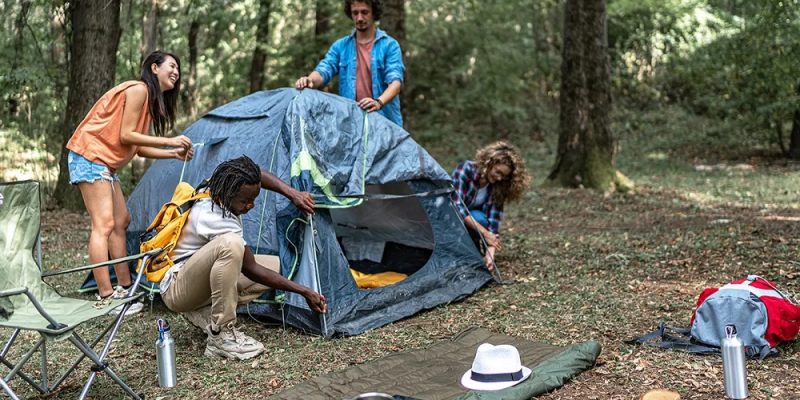
Setting Up Camp: Pitching a tent, securing guy lines, and organizing gear require focus, spatial awareness, and physical coordination.
-
Fire Building: Gathering firewood, arranging tinder, and tending a campfire demand patience and careful attention.
-
Campground Cooking: Preparing meals over a single-burner stove or open fire requires planning, creativity, and active involvement.
-
Water Management: Fetching, filtering, and purifying water from natural sources reinforces self-reliance and environmental awareness.
These hands-on chores provide a tangible sense of accomplishment that virtual achievements on a screen cannot replicate.
Reconnecting with Natural Circadian Rhythms
Artificial blue light emitted by phone screens, tablets, and televisions suppresses melatonin production, disrupting natural sleep cycles. Camping exposes individuals to natural sunlight during the day and dark skies illuminated only by firelight or stars at night. This natural light exposure resets the body’s internal biological clock, leading to deeper, more restful sleep.
Cultivating Genuine Human Connection Around the Campfire
Constant digital connectivity often creates a paradoxical sense of social isolation. While people are more digitally connected than ever, meaningful face-to-face conversations can take a backseat to screen time.
Uninterrupted Shared Experiences
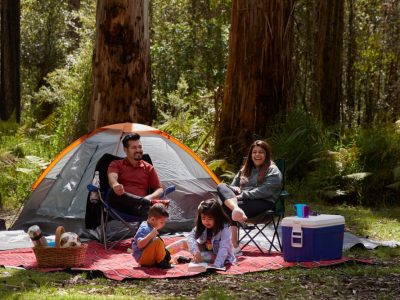
Camping brings friends and family together in an environment free from competing digital distractions. Without televisions or individual screens pulling attention away, campers share meals, navigate hiking trails, and sit together around the fire.
The Art of Campfire Conversation
The campfire serves as a timeless social focal point. Sitting around a fire naturally encourages relaxed, open communication, storytelling, and deep reflection. Free from the urgency of responding to digital alerts, conversations flow naturally, helping strengthen interpersonal bonds and build lasting shared memories.
Frequently Asked Questions
What if I need to use my phone for navigation or photography while camping?
You can easily use your smartphone as a functional tool without breaking your digital detox. Download offline maps, trail guides, and field manuals beforehand, and then switch your phone to airplane mode. This allows you to use GPS navigation, take photos, and consult offline guides without receiving disruptive notifications, emails, or messages.
How do I manage work obligations if I want to take a camping trip to disconnect?
Set clear boundaries before leaving. Set an out-of-office email responder stating that you will be in an area with no cellular coverage and specify when you will return. Complete urgent tasks beforehand, delegate critical responsibilities to trusted colleagues, and inform key contacts that you will be entirely unreachable during your trip.
Is it safe to camp in areas with zero cellular service?
Yes, camping in areas without cell service is safe if you prepare properly. Leave a detailed itinerary with a family member or friend specifying your campsite location, planned hiking routes, and expected return time. Additionally, carry physical topographical maps, a magnetic compass, a well-stocked first-aid kit, and consider carrying a satellite messenger or personal locator beacon for emergency communication.
How many days of camping are needed to feel the mental benefits of a digital detox?
While even a single day outdoors reduces stress, research suggests that spending at least three consecutive days in nature provides a deep mental reset. A three-day camping trip allows your brain to fully transition away from digital stimulation, clear cognitive fatigue, and reset natural sleep rhythms.
How can I prevent myself from immediately returning to bad screen habits after returning home?
Use your camping trip as a catalyst to establish healthy digital boundaries at home. Keep the momentum going by establishing screen-free zones in your house, such as the dinner table or bedroom. Turn off non-essential app notifications, schedule weekly outdoor time without devices, and leave your phone in another room during social meals or bedtime.
What are some good non-digital entertainment options to pack for a camping trip?
Pack simple, engaging activities that complement the outdoor environment. Excellent screen-free options include paperback books, field guides for local flora and fauna, a sketchpad, a physical journal, travel board games, a deck of cards, binoculars for birdwatching, or a simple stargazing chart.
How can I convince reluctant family members or children to go on a screen-free camping trip?
Involve them directly in the planning process and focus on fun, engaging activities. Let them choose hiking routes, plan camp meals, or select specialized gear. Frame the trip as an exciting adventure rather than a punishment or rule enforcement. Once at the campsite, keep everyone engaged with interactive tasks like fire building, night-sky observation, and roasting camp treats.
What is your reaction?
Excited
0
Happy
0
In Love
0
Not Sure
0
Silly
0