By Tadeo Andi
Camping: A Return to Simplicity
In an age when the hum of technology fills every waking moment, camping remains one of the last pure invitations to step away from it all. It asks us to trade the sterile comforts of climate control and streaming screens for crackling fires, star-scattered skies, and the quiet music of wind through the trees. To camp is not merely to sleep outdoors; it is to remember how to be content with little and to rediscover our place within the natural world.
A Tradition Rooted in Human History
Long before camping became a recreational pastime, it was simply a way of life. Our ancestors roamed forests and plains, setting up temporary shelters beneath the canopy of stars. For millennia, humans lived in tune with the seasons, learning how to make fires, build tents, and adapt to nature’s unpredictable rhythms.
Today’s modern camper, armed with lightweight gear and synthetic fabrics, stands on the shoulders of this ancient heritage. Though our reasons may have changed—from survival to leisure—the primal pull remains the same: to seek refuge in the wilderness, even if only for a weekend.
The Many Faces of Camping
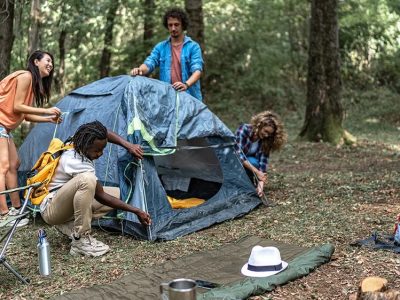
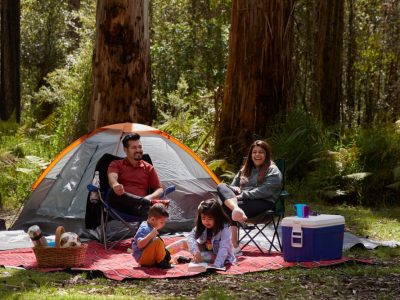
One of camping’s enduring charms lies in its diversity. No two campers will describe the perfect outing the same way. For some, it is the call of rugged backcountry, days away from civilization with nothing but a pack and a map. For others, it is a family trip to a lakeside campground, complete with campfire songs and toasted marshmallows.
Popular styles of camping include:
-
Backpacking: Carrying everything on your back, moving from site to site.
-
Car Camping: Driving to a designated campsite with amenities close at hand.
-
Glamping: Combining camping’s rustic charm with the comforts of home—think canvas tents with real beds and gourmet meals.
-
Wild Camping: Pitching a tent in remote, undeveloped areas, often under strict “leave no trace” ethics.
Each variation offers its own balance of challenge and comfort, solitude and community, simplicity and luxury.
Why We Keep Coming Back
Ask a seasoned camper what draws them to the woods, and their answers may vary, yet a few threads will always emerge.
Camping appeals because it offers:
-
Unplugged Time: Freed from emails and notifications, our minds unwind, our conversations deepen, and our thoughts slow down.
-
Connection to Nature: The scent of pine, the rush of a river, the chorus of crickets at night—these simple details ground us in the present moment.
-
Perspective: A night under the stars reminds us how small we are and how grand the world is beyond our screens and daily commutes.
-
Skills and Self-Reliance: Building a fire, cooking on a camp stove, navigating a trail—each task, however basic, brings a sense of quiet accomplishment.
The Art of Preparation
Though romanticized in countless stories, camping is not without its demands. Its magic often hinges on thoughtful preparation and respect for the environment.
A well-prepared camper always considers:
-
Gear: Choosing the right tent, sleeping bag, and clothing for the season and climate.
-
Food and Water: Planning simple, nourishing meals and ensuring safe drinking water.
-
Safety: Knowing how to handle wildlife encounters, weather changes, and emergencies.
-
Leave No Trace: Camping’s unspoken code insists that nature should remain unspoiled for the next visitor—pack out all waste, minimize campfire impact, and respect wildlife.
Far from being burdensome, these preparations add to the sense of adventure. They remind us that comfort is earned, not assumed.
Moments That Endure
If you’ve ever camped, you know the memories linger long after the tent is packed away. There is something timeless about waking to the first birdsong, brewing coffee as mist rises off a lake, or gathering around a fire where stories take on a special glow.
Children especially remember camping trips with a vividness that lasts a lifetime. These early adventures teach resilience and curiosity—how to find joy in simple things and how to greet darkness without fear.
Camping in the Modern World
As more people seek respite from urban life, camping has experienced a renaissance. National parks and campgrounds have seen surges in visitors, and camping gear has evolved to suit every taste and budget.
However, this growing popularity comes with responsibilities. Overcrowding and careless campers can damage delicate ecosystems. Responsible camping today means not only enjoying nature but safeguarding it for future generations.
Ways to camp responsibly include:
-
Choosing established campsites whenever possible.
-
Using portable stoves instead of open fires where appropriate.
-
Respecting local wildlife by storing food securely and keeping a safe distance.
-
Supporting conservation efforts through park fees and volunteer programs.
Finding Your Place Beneath the Stars
Whether you pitch your tent in your backyard or on a remote mountainside, camping is a gentle rebellion against a world that urges constant productivity. It invites us to pause, listen, and remember that a life stripped to its essentials can be rich beyond measure.
For some, camping becomes a yearly ritual, an anchor in a busy calendar. For others, it sparks a lifelong love of the outdoors and a deeper commitment to preserving it.
Final Thoughts
To camp is to accept nature’s invitation to slow down and belong—if only for a night or two. It is a chance to trade walls for wide-open skies, soft beds for sleeping bags, and digital chatter for the ancient hush of the forest.
So, roll out the map, dust off your old lantern, and step outside your front door. Beyond the reach of streetlights and wifi signals, a world waits—untamed, patient, and ready to remind you of life’s simplest and greatest joys.