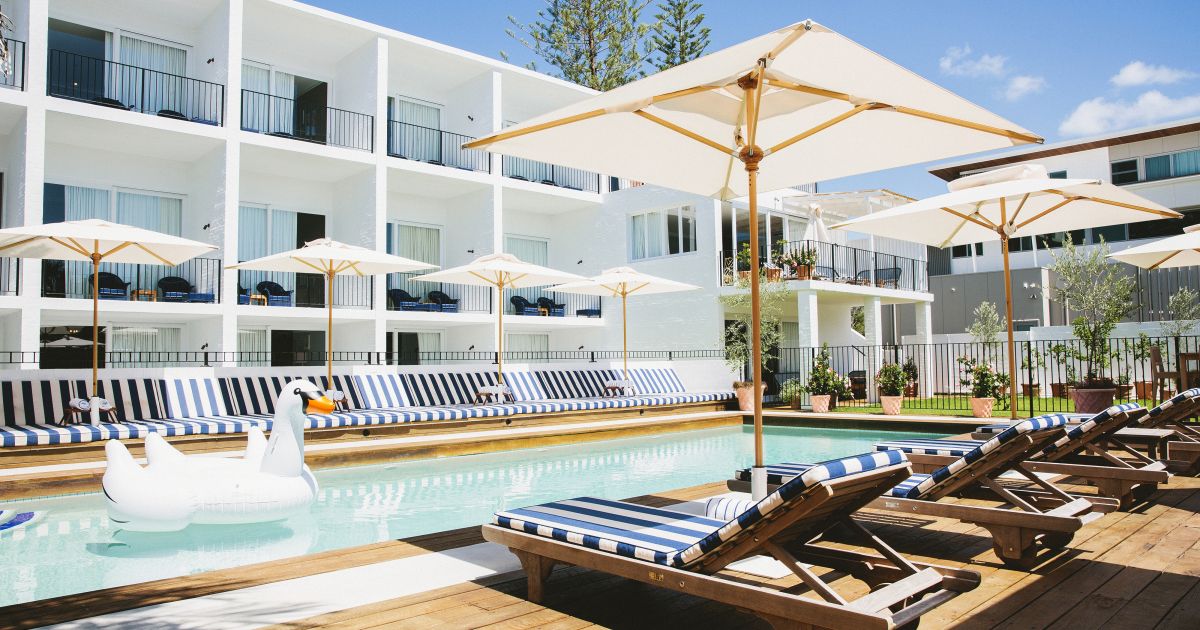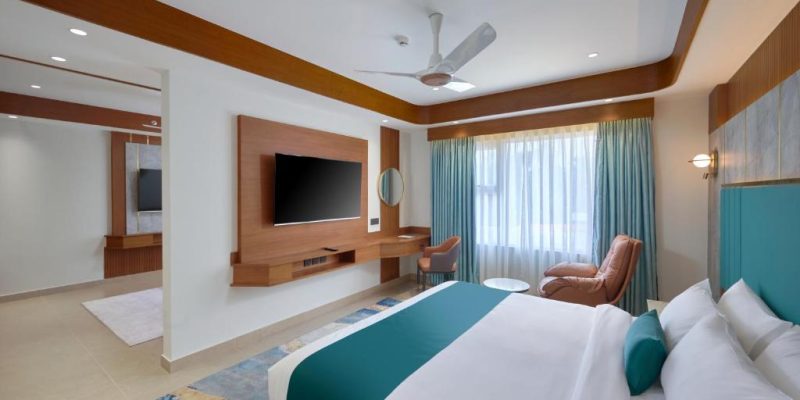
Accommodation

Beyond Four Walls: Rethinking the Essence of Modern Accommodation

The Evolving Definition of Accommodation

When one hears the word accommodation, the mind often drifts to visions of hotel rooms, rented apartments, or rustic cabins nestled in the woods. Yet, in its truest sense, accommodation is far more than mere shelter—it is an experience, a sense of belonging, and a reflection of personal and cultural identities. In an era defined by rapid globalization and shifting lifestyles, the concept of accommodation has evolved dramatically, transcending the notion of a roof over one’s head.

From Shelter to Sanctuary

Historically, accommodation was primarily utilitarian. Early dwellings were designed to shield inhabitants from the elements and wild creatures. Over centuries, as societies grew and civilizations flourished, the purpose of accommodation expanded beyond mere survival. Homes began to embody comfort, privacy, and an expression of status.

Today, the modern traveler or resident seeks more than just a bed to sleep in—they crave a sanctuary that offers safety, warmth, and a deep sense of respite from the world outside. This shift has transformed how we design, choose, and experience accommodation.

The Rise of Experiential Stays

A significant change in the accommodation landscape is the surge in experiential stays. Travelers increasingly reject generic hotel chains in favor of unique lodgings that immerse them in local culture and lifestyle. A converted lighthouse perched on a rugged coastline or a treehouse canopy retreat in the heart of a rainforest speaks to this desire for novelty and authenticity.

Key elements that define experiential accommodation include:

  • Personalized Service: Guests value hosts who go beyond routine check-ins to provide insider tips and heartfelt hospitality.

  • Local Integration: Staying in a neighborhood apartment or a family-run inn fosters cultural exchange and a sense of place.

  • Unique Architecture: Properties with distinctive design or historical significance attract discerning travelers seeking stories as much as amenities.

Accommodation as an Extension of Identity

Increasingly, people view where they stay as an extension of who they are. Just as fashion expresses personal taste, so too does one’s choice of accommodation reveal preferences, aspirations, and values.

  • Minimalists might prefer sleek studio apartments with clean lines and smart storage.

  • Nature enthusiasts are drawn to eco-lodges and off-grid cabins.

  • Luxury seekers opt for penthouses and five-star resorts that pamper with excess.

This personalization extends to long-term living arrangements as well. With the rise of remote work and digital nomadism, many now seek flexible, adaptable accommodation that aligns with their transient lifestyles. Co-living spaces, furnished short-term rentals, and modular homes cater to this new demographic.

Sustainability: The New Pillar

Modern accommodation must not only satisfy the personal whims of its occupants but also address broader environmental concerns. Sustainability is no longer a fashionable add-on; it is a vital responsibility.

Developers, homeowners, and hospitality providers are weaving eco-conscious practices into the fabric of accommodation design and operation. The result is a growing portfolio of green-certified hotels, carbon-neutral vacation rentals, and smart homes that minimize their ecological footprint.

Key sustainable practices include:

  • Use of renewable energy sources such as solar panels.

  • Locally sourced and reclaimed building materials.

  • Efficient waste management and water conservation systems.

  • Encouragement of guests or residents to adopt eco-friendly habits.

The Social Dimension

Accommodation does not exist in isolation—it shapes and is shaped by the communities around it. Urban planners and policymakers grapple with the implications of short-term rental platforms like Airbnb, which, while offering travelers an authentic experience, can disrupt local housing markets.

Balancing tourism with community well-being demands innovative solutions. Some cities are pioneering regulations that cap short-term rentals or incentivize owners to offer affordable long-term leases. Others promote mixed-use developments where commercial, residential, and hospitality spaces coexist harmoniously.

Challenges and Opportunities Ahead

The future of accommodation is as exciting as it is complex. It must adapt to demographic shifts, technological advances, and climate realities.

Key challenges include:

  • Affordability: Rising property prices and gentrification threaten to displace local communities.

  • Regulation: Governments must navigate the fine line between supporting tourism and protecting residential housing stock.

  • Technology Integration: Smart home features and automation offer convenience but raise concerns about privacy and digital security.

Yet, these challenges also present opportunities for creativity and progress. Architects experiment with micro-apartments and co-housing models to tackle urban density. Hospitality entrepreneurs invent hybrid spaces that double as work hubs or wellness retreats. Meanwhile, technology promises to enhance personalization, streamline operations, and make sustainable living more accessible.

Crafting a New Narrative

In rethinking accommodation, one cannot overlook the emotional thread that ties it all together. Whether one seeks the familiarity of home or the thrill of the unknown, accommodation is a canvas on which we project our desires for comfort, adventure, connection, and rest.

For the weary traveler, it is a place to lay down burdens. For the remote worker, it is an office and oasis rolled into one. For the city dweller, it is a sanctuary amid the urban cacophony.

Final Thoughts

Accommodation, at its core, is deeply human. Its form may change—from mud huts to smart pods—but its purpose remains rooted in our need for security, belonging, and meaning. As we navigate a world of shifting borders and blurred boundaries, the spaces we inhabit will continue to evolve—echoing our collective hopes for a future where every roof shelters more than just bodies; it shelters dreams.

In the end, the question is not simply where we stay, but how we choose to dwell—and what kind of world we wish to build, one accommodation at a time.

What is your reaction?

Excited
0
Happy
0
In Love
0
Not Sure
0
Silly
0

You may also like

Comments are closed.