 By Tadeo Andi
Traveling often presents a clear divide between visiting a place and truly experiencing it. Standard tourist itineraries tend to funnel travelers into identical souvenir shops, overcrowded landmarks, and restaurants designed specifically for out-of-town visitors. While major monuments hold historical significance, relying solely on popular travel guides can isolate you from the authentic rhythm, culture, and spirit of a community.
Experiencing a destination like a local requires a shift in mindset. It means stepping away from rigid schedules, slowing down your pace, and engaging with a community on its own terms. By choosing intentional accommodation, dining where residents eat, utilizing local transit, and participating in everyday regional customs, you can transform an ordinary vacation into a deeply immersive cultural journey.
Rethinking Accommodation and Neighborhood Selection
Where you choose to sleep sets the tone for your entire journey. Staying in a sprawling resort complex or an international hotel chain situated in a high-density tourist zone can isolate you from authentic surroundings. While these options offer familiarity and convenience, they rarely provide a sense of place.
To feel connected to a destination, consider staying in residential neighborhoods located slightly outside the primary tourist core. Look for boutique guesthouses, family-run inns, or apartment rentals in vibrant, lived-in districts. Living alongside permanent residents allows you to observe daily routines, discover small neighborhood businesses, and establish a natural morning routine at a nearby bakery or coffee shop.
Strategies for Selecting the Right Base
-
Choose walkable residential areas: Look for neighborhoods with grocery stores, public parks, bakeries, and hardware shops, as these indicate a functional local community.
-
Support locally owned lodging: Opt for family-operated bed and breakfasts or boutique properties where owners live nearby and can offer personalized recommendations.
-
Research public transit links: Ensure your neighborhood has easy access to subways, buses, or streetcars so you can move around efficiently without relying on expensive taxis.
-
Avoid hyper-tourist corridors: Distance yourself by even a fifteen-minute walk from major monuments to find quieter streets with authentic character.
Mastering Local Dining and Food Cultures
Food is one of the most accessible gateways into the heart of any culture. However, restaurants situated directly across from major tourist attractions often serve generic, overpriced meals adjusted to suit foreign palates. Finding authentic culinary experiences requires looking past glossy menus printed in multiple languages.
To eat like a resident, adjust your dining schedule to match regional customs. In many South American and European nations, dinner occurs much later in the evening than in North America. Arriving at a restaurant at six in the evening might leave you in an empty dining room surrounded by other tourists, whereas arriving at nine in the evening lets you join a bustling room of locals enjoying their meal.
How to Find Authentic Places to Eat
-
Follow the crowds at mealtime: Busy establishments filled with families, workers, and multi-generational groups are a clear indicator of high quality and fair prices.
-
Visit central public markets: Neighborhood food halls and produce markets offer fresh ingredients, affordable street food stalls, and an authentic look at regional culinary staples.
-
Look for short, seasonal menus: Restaurants that focus on a small selection of daily dishes generally use fresher, locally sourced ingredients than places offering massive multi-page menus.
-
Seek out specialized eateries: In many cultures, the best spots specialize in just one or two regional dishes, perfecting them over generations.
Embracing Public Transportation and Active Mobility
Navigating a city using its public transportation system provides immediate insight into daily life. Riding subways, commuter trains, trams, and public buses places you directly alongside residents commuting to work, school, and social events. It forces you to understand the geography of a place in a way that private taxi rides simply cannot match.
Walking remains the single most effective way to uncover hidden details of a city. Leaving room in your daily schedule to wander without a strict destination allows you to discover quiet courtyards, artisan workshops, independent bookstores, and scenic side streets that never appear in travel guides.
Practical Tips for Moving Around
-
Purchase a reloadable transit pass: Get a multi-day public transit card upon arrival to save money and avoid waiting in ticket lines every time you ride.
-
Study transit maps before heading out: Understanding primary subway lines or bus routes builds confidence and reduces the need to look constantly at your phone screen while navigating.
-
Rent a bicycle for flat cities: Utilizing dedicated municipal bike lanes gives you a fresh perspective on city layouts while matching the pace of resident cyclists.
-
Explore on foot without a map: Dedicate at least one morning or afternoon to exploring on foot without a set destination, turning down intriguing alleys and quiet side streets.
Learning the Language and Cultural Etiquette
Language serves as a bridge between visitors and host communities. Even in destinations where English is widely spoken, making an effort to speak the local language demonstrates respect, humility, and a genuine interest in the culture. Locals notice and appreciate when a traveler tries to engage in their native language, often responding with increased warmth and helpfulness.
Beyond spoken words, non-verbal communication and social norms vary widely across different regions. Understanding local rules regarding tipping, greeting customs, personal space, and dress codes prevents accidental disrespect and helps you blend seamlessly into public environments.
Essential Communication Practices
-
Master core polite phrases: Memorize basic expressions for hello, please, thank you, excuse me, goodbye, and simple numbers.
-
Observe local greeting customs: Pay attention to whether locals shake hands, bow, or exchange cheek kisses when meeting someone new.
-
Understand regional tipping expectations: Research local tipping guidelines before arriving, as over-tipping or under-tipping can cause awkward situations.
-
Dress according to local standards: Match your attire to community norms, particularly when visiting religious sites, neighborhood markets, or traditional residential areas.
Engaging with Local Arts, Sports, and Public Spaces
To understand what brings life to a community, look at how residents spend their leisure time. Attending local sporting events, community festivals, outdoor cinema nights, and regional art exhibitions offers an authentic glimpse into local passions and traditions.
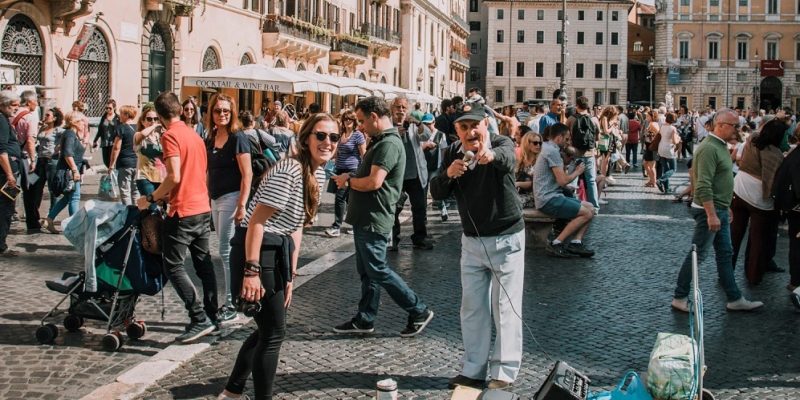
Public parks, plazas, and waterfront promenades serve as communal living rooms in many cities worldwide. Spending an hour or two sitting on a park bench or enjoying a beverage at a outdoor cafe allows you to observe daily interactions, family gatherings, and community life unfolding naturally around you.
Ways to Connect with Community Life
-
Attend a local athletic match: Whether it is a soccer match, cricket game, or regional sport, joining local fans provides an unforgettable cultural experience.
-
Spend time in public plazas and parks: Visit central green spaces in the late afternoon when residents gather to socialize, exercise, and relax after work.
-
Look for neighborhood community events: Seek out temporary street fairs, farmers markets, neighborhood block parties, and free public concerts.
-
Support independent creative spaces: Visit small art galleries, independent music venues, and neighborhood theaters to experience contemporary local culture.
Frequently Asked Questions
How can travelers find authentic local events that are not advertised in tourist brochures?
Check local community bulletin boards in neighborhood coffee shops, browse regional event listings in local newspapers, or look up municipal cultural department websites. Social media pages dedicated to neighborhood art spaces and independent venues are also excellent sources for current event information.
Is it safe to wander away from primary tourist zones in unfamiliar cities?
In most destinations, residential and commercial neighborhoods away from tourist centers are very safe. However, maintaining basic situational awareness is essential. Research neighborhoods beforehand, avoid poorly lit streets at night, keep valuables hidden, and follow the lead of residents around you.
How do you balance seeing major historic sights with experiencing daily local life?
Plan major tourist attractions during early morning hours when crowds are light, and dedicate your afternoons and evenings to unstructured neighborhood exploration, local dining, and relaxing in public parks. This approach ensures you see important landmarks without missing out on authentic atmosphere.
What should you do if a language barrier makes communication difficult?
Use clear, simple English alongside polite gestures, warm body language, and a friendly smile. Translation apps downloaded to a smartphone can assist with complex interactions, but patience and good humor remain the most effective tools for overcoming language barriers.
How can introverted travelers engage with locals without feeling overwhelmed?
Introverted travelers can connect with local culture through low-pressure activities like visiting public food markets, attending athletic events, sitting quietly in neighborhood cafes, taking self-guided walking tours, or enrolling in small-group cooking classes focused on regional cuisine.
How does traveling like a local benefit the host community economically?
Directing your travel spending toward neighborhood bakeries, family-run guesthouses, local transit systems, and independent artisans ensures your money remains within the local economy. This practice supports small business owners and encourages sustainable tourism that directly benefits the community.
What is the best way to handle cultural misunderstandings while traveling?
If you make a social mistake or violate an unfamiliar custom, offer a sincere, humble apology immediately. Most host communities are forgiving toward visitors who show genuine respect, acknowledge their oversight, and express an eagerness to learn correct local customs.
What is your reaction?
Excited
0
Happy
0
In Love
0
Not Sure
0
Silly
0